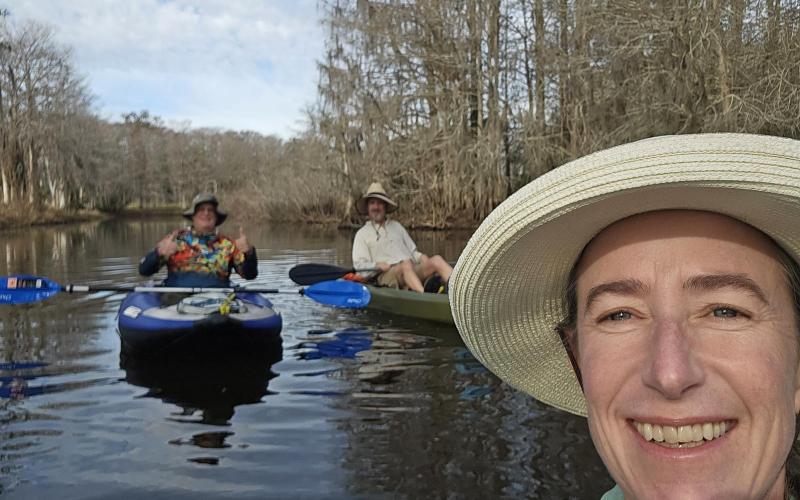
 Left to right: Jeff, Dobbs, and me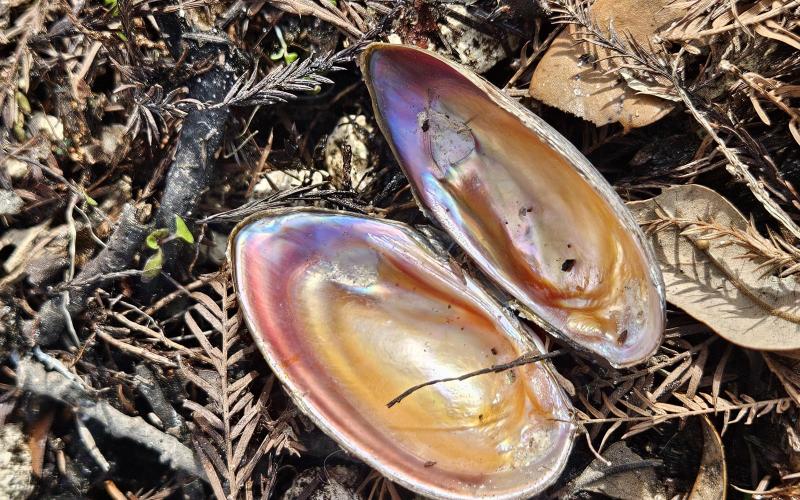
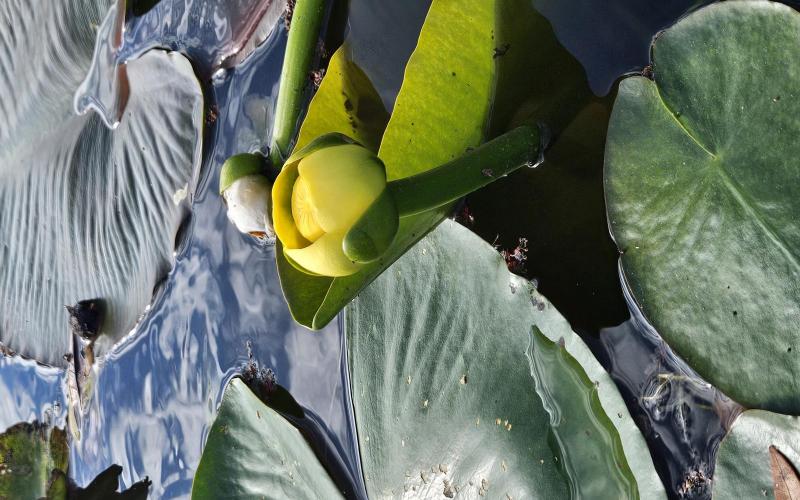
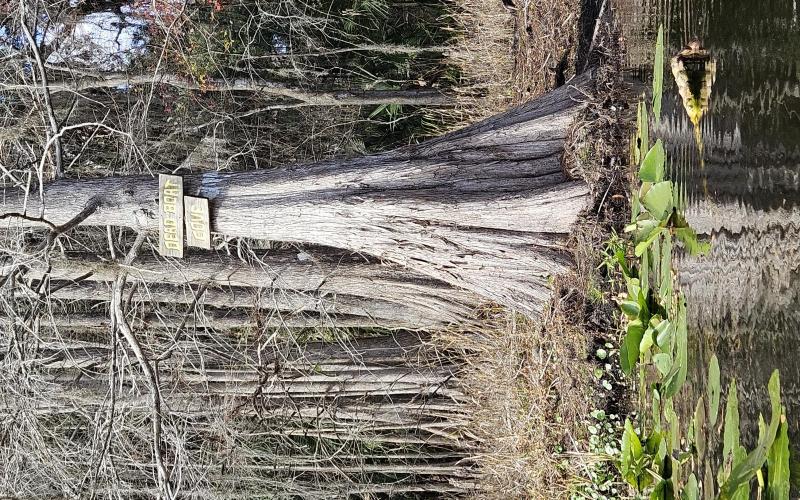
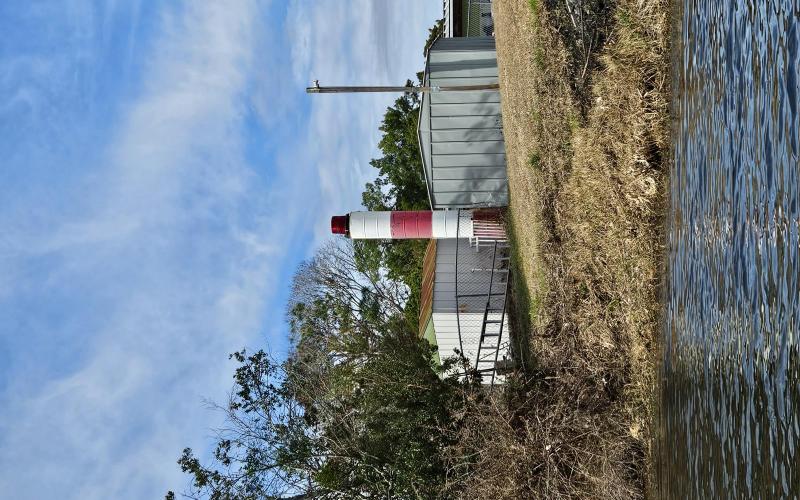 Creative use of 55-gallon drums!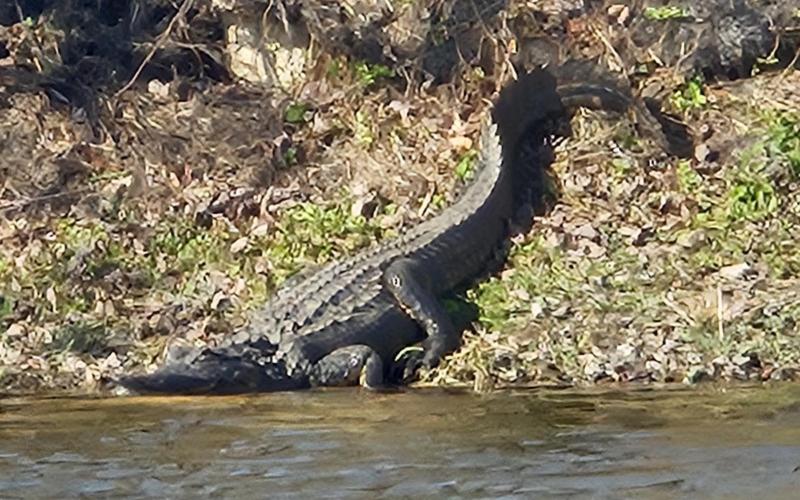
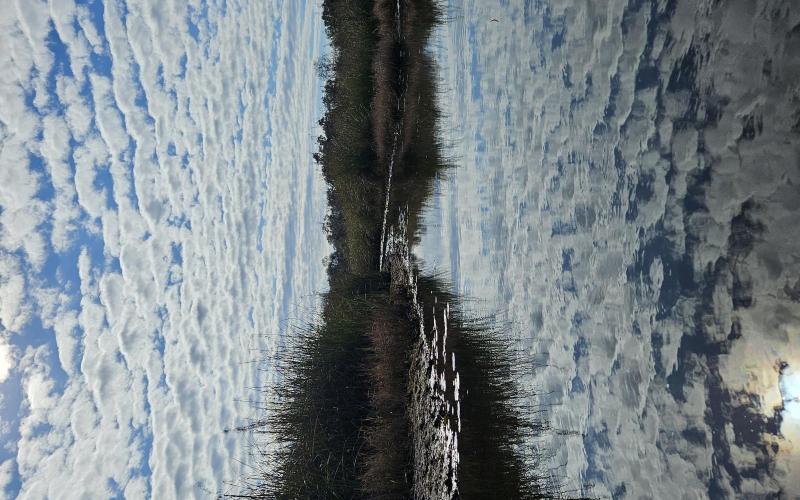
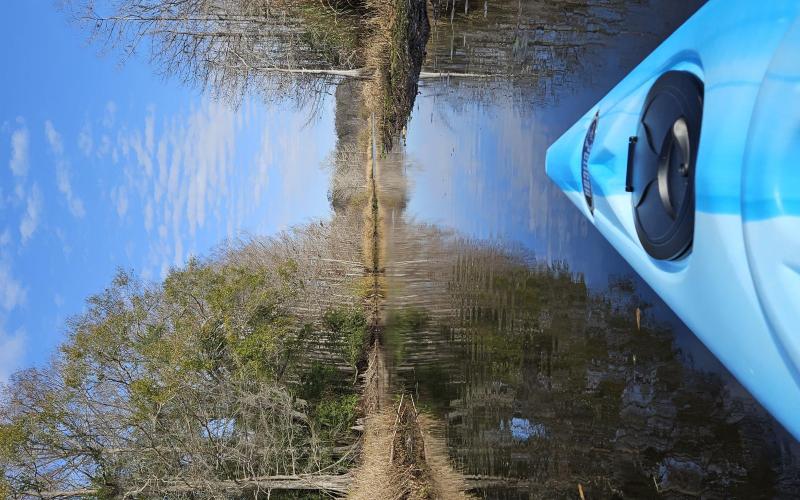
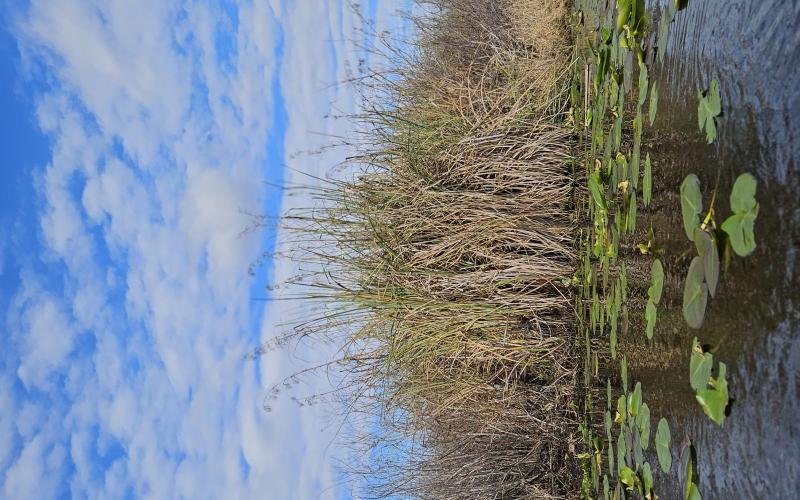
The water level in the Tsala Apopka Chain of Lakes is low. This area of north-central Florida received significantly below-average rainfall (12" less) in 2025 and there's no end in sight. Airboats sit idle on trailers, pontoon boats rest listing on the banks. Heck, I'm in a kayak and there's not enough water to float me beyond the man-made canals. The weather has been so dry for so long that the aquifer has been depleted, which means that it must be replenished before any surface water will show lasting gains.
We - Dobbs, my brother Jeff, and I - paddle where we can, around small islands of cypress trees and out to the edge of the sawgrass marsh where the water thins to mud. We catch an otter off-guard and are afforded a look at its whole streamlined body as it nimbly slinks across a mud flat and into the canal. Turtles rise to the surface, then quickly duck under upon spying us. We're able to distinguish the soft-shell turtles, even at a distance, thanks to their elongated snorkel-like noses. There are alligators, including one sizeable example basking on a bank. I give it a wiiiiide berth and keep a wary eye on it to make sure it stays put. Confined in our constructed puddle, we find new things to appreciate: the neighbors' back yards - each family's unique style of landscaping and adorning their little slice of paradise; had anyone noticed that lighthouse made of 55-gallon drums before? how pretty the shells are that lay discarded along the shoreline. Two limpkins insist on shrieking at each other, though they're mere feet apart. Egrets, ibis, and herons are common sights, as are woodpeckers. One morning, not while kayaking, I get a good view of an owl, first perched on a low branch, and then alighting to fly up the side yard.
My restlessness at being frozen out of boating on the Upper Chesapeake is suddenly tempered by perspective and empathy. These folks are looking at 6 months, a year, maybe more, until they can explore their local waterways once again.