For many animal lovers smitten with the cruising lifestyle, the addition of four-legged crew, especially a dog, feels as necessary as AIS, says Back Creek Yacht Club’s (BCYC) outgoing first lady and retired veterinarian, Ann Fiduccia.
Ann and her husband, Chuck Kahle (BCYC’s immediate past commodore), live on a farm in Pennsylvania and primarily cruise the Chesapeake, which is where they earned their sailing chops, but they have also cruised their Sabre 386 Blue Heaven down the ICW to Florida and the Bahamas, as well as twice heading north to Long Island Sound and Maine. The couple ramped up their interest in sailing as they were becoming empty nesters and as they were downsizing their canine pack from rottweilers to boxers to Boston terriers. Their current pup is Admiral Ernie.
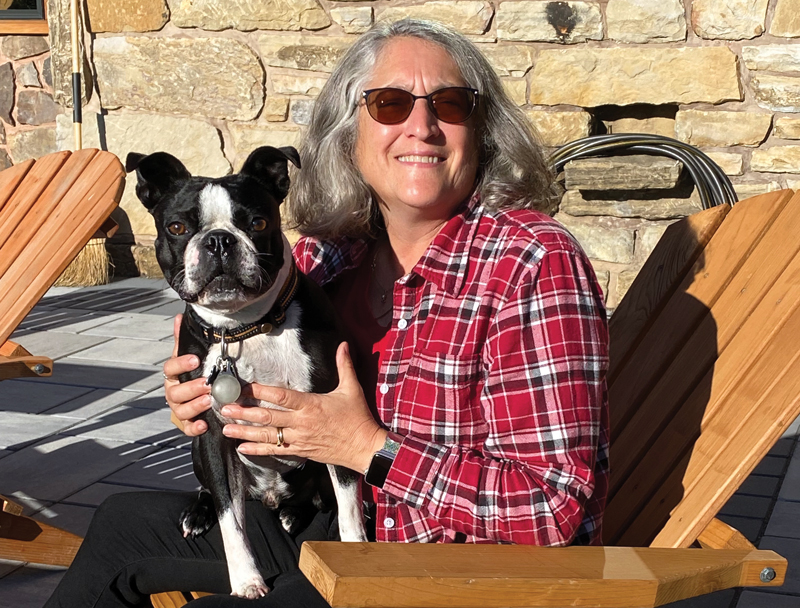
Tips for cruising with your four-legged friend.
One of the biggest challenges of cruising with a dog is the nautical equivalent of house training. Ann encourages owners to make every effort to convince their boat dog to “go” on a surface onboard their vessel. Withholding urine is very hard on a dog’s kidneys, and always having to take a dog ashore to eliminate can be hard on the owners—launching a dinghy in spicy weather is no fun. There are lots of tricks to encourage a dog to eliminate onboard, including fake grass and pads that have been “used.” However, some dogs just don’t make the transition, and unfortunately for Ann and Chuck, Admiral Ernie will only pee on shore (or on their dodger, when no land is in sight), despite the couple having tried all the tricks.
Potty training aside, what else makes for successful cruising with dogs? It might seem obvious, but owners should provision for their four-legged sailor the same way they pack for themselves. That means bringing along things to make the boat feel more like a home away from home. Ann recommends bringing special food, treats, toys, and doggie beds, as well as prescribed medications and meds for heartworms, fleas, and ticks.
The retired vet always carries a soft E-collar, more commonly known as the "cone of shame" to prevent self-trauma in case of injury, tick twister removal device, and digital thermometer labeled “dog” in the first aid kit, as well as lubricant eye drops, 81mg aspirin, 25mg Benadryl, 25mg meclizine, and hydrogen peroxide in case she needs to induce vomiting. A collapsible dog crate can be invaluable, especially during an unexpected stay on land. For a small dog, a collapsible pet carrier is also a good idea.

Regardless of dog size, harnesses are a great addition to collars for control and safety. Admiral Ernie has worn a harness for walks at home since he was a puppy, which made the transition to wearing a PFD easy. Onboard he wears his PFD depending on weather conditions and location, and he even has heavy weather and dinghy versions. Since safety is paramount, the pup has his own cockpit jackline, and he is attached via a harness at all times when underway. In truly rough weather situations Ernie goes below and is leashed to the galley stanchion.
Summer cruising on the Bay can mean lots of hot days. As a Boston Terrier, Ernie is a brachycephalic breed (pushed in face), making heat stroke one of Ann’s major concerns, so she often weighs safety gear against that potential, especially when dinghying to shore. Heat stroke can be a killer for all pets but wiping the paws and belly with wet cloths can help with cooling. If the day is a real scorcher, try a cockpit washdown or a spritz in the shower with fresh water.
Being a responsible dog owner starts on land, with rabies and other vaccinations (including Bordetella for the kennel in case an unexpected land excursion happens), and Ann recommends having copies of all this paperwork onboard. Whether or not your dog is microchipped (Ernie is), it’s a good idea for all collars and harnesses to have nametags that include your vessel name and owner name and phone number.
As with human travelers, when heading far from home, there are online options to have canine creature comforts and necessities delivered to you. Ann suggests asking the staff at your marina destination for the most reliable shipping service. She and Chuck have experienced situations where it really mattered whether the delivery came via UPS, FedEx, or USPS; the marina staff will know what works best at their particular location.
Although having a four-legged crew member aboard does create some additional work, Ann and Chuck wouldn’t have it any other way, and we bet many Chesapeake cruisers feel the same.
By Ann B Fiduccia, DVM (ret) with Anne Knab


