A Q&A With Author and Chesapeake Sailor Ted Weihe
I first met Ted Weihe 18 ago at the West River Sailing Club, where he happily sailed his Chesapeake 20 Stormy, and welcomed me a few times as crew. Since then, Ted has moved to Sarasota, FL, written a few books, and continues to race (and stay in touch).
Ted has been sailing since the age of four on a Humphy Condor from Cleveland, nearly 80 years ago. Since then, he has experienced many changes in the world of sailing, including the waterfronts he’s lived upon. Here he shares some memories that will resonate with Chesapeake Bay sailors.
What are some of your early memories of sailing?
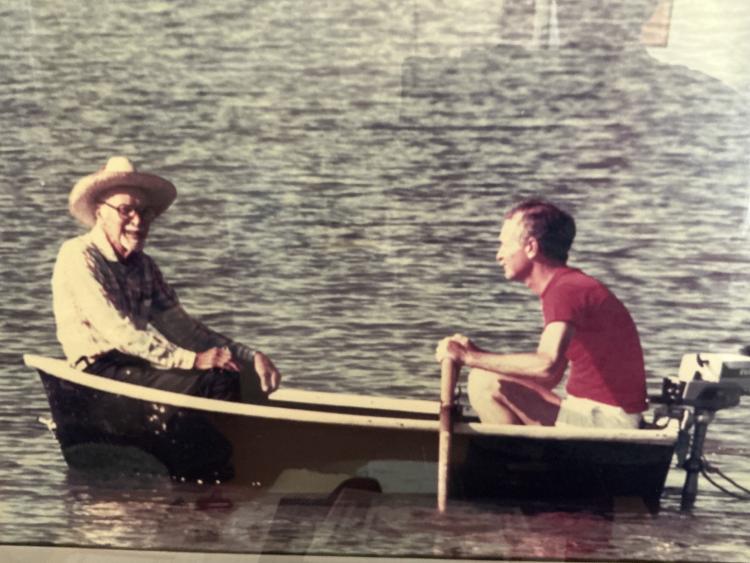
After World War II, my father moved to Arlington, VA, to apply his avionics inventions to civil aviation. In 1947, he had built a Baymate traditional bugeye in Cambridge, which our family sailed throughout the Bay. We travelled across the Bay before the Bay Bridge… At isolated Tangier and Smith Islands, we were welcomed when they did not service yachts. We sailed in every West River Sailing Club cruise since the first in 1954. My father’s last one was in 1984 when he died of a heart attack in Solomons.
Tell us about the first glass cruising sailboat on Bay.
In 1960, my father saw a Rhodes Swiftsure in a display case at the New York Boat Show. We sailed it in Holland as a family where it was built and deck-loaded back to Bay. Hartge’s would not let any glass boats into the yard (“not enough work”). Lawrence Hartge took pity on us, and we moored at his dock for a year.
When did you start racing and cruising by yourself?
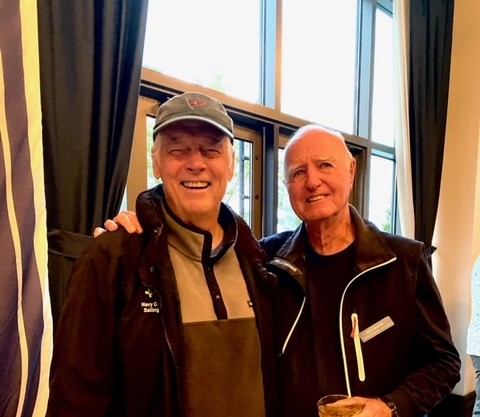
At 12, I joined the Sea Scouts. We met every Friday to sail with no parents. We raced on Sunday at the Potomac River Sailing Association and cruised in the Rhodes 19, boys only, in summer.
What was your first boat?
At 14, my father came home from London, and to my utter surprise said he had bought me a Shearwater Catamaran. Only hitch: it was a kit. I raced it up and down the Bay and East Coast as catamarans were evolving.
What was your first cruising boat?
I spent two years rebuilding a New Jersey catboat in my backyard. The neighbors wanted to bomb it. (I) didn’t understand initial stability, so if you stepped aboard, it rocked back and forth. On the water, a passing sailor said, “See that homemade boat!” My heart sank, so I sold it right away.
After that, my wife and I bought and cruised a Erickson 35, side by side with my parents’ sailboat for 20 years. It was a great way to really know your parents as adults.
When did you get back into racing?
I always admired Chesapeake 20s and had Peter Bell build a glass one with help from Hartge workers. Next, I bought a 1939 Chesapeake 20 that I couldn’t resist and got to know its original owner, John Kramer. He built me an exact model boat of Stormy, which is registered with the Maryland Historical Trust. I returned Stormy to the West River fleet.
What are you sailing now?
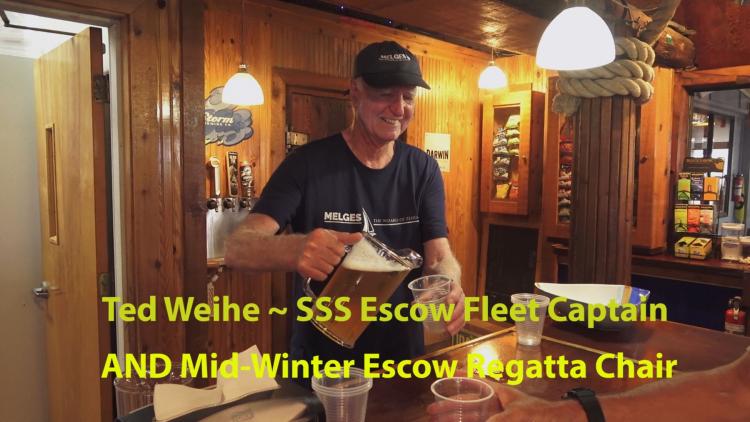
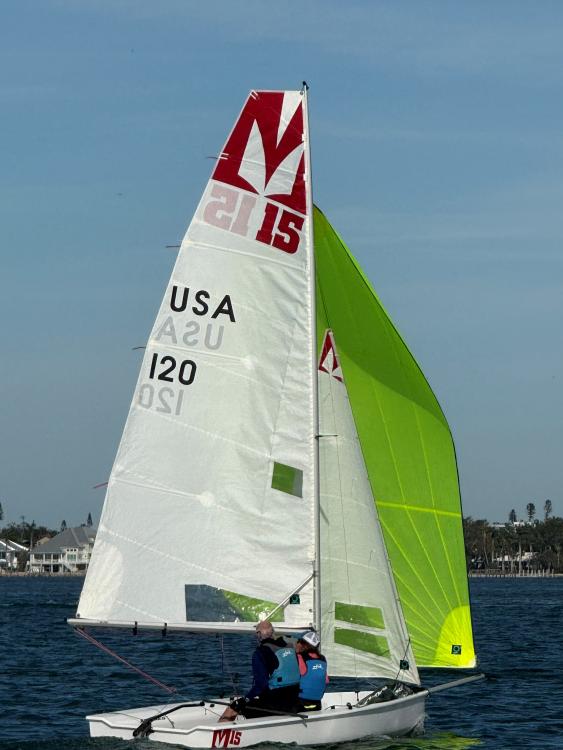
I moved to Sarasota where I had raced my Shearwater in 1968. I enjoy racing an E Scow and Melges 15 on beautiful Sarasota Bay, but I miss the Chesapeake Bay.
What have been your favorite boats?
My favorite three boats were my Shearwater Catamaran I raced throughout high school and college; the Erickson 35 which we cruised side by side with my parents for 20 years; and the 939 Chesapeake 20, which had soul and I registered with Maryland Historical Trust.
Can you name a few changes you’ve seen on the waterfront since you were a boy sailing in the 1940s?
I observed the changes from working boats to expensive yachts and marinas. Alexandria was full of warehouses, not luxury apartments and restaurants.
The seasons were Memorial Day to Labor Day with lots of maintenance and haul out for chalking. Harbors were dirty fishing ports. There were few houses overlooking coves. Skipjacks were still oystering. It was not so hot in summer.
Tell us about your books.
I have written several books about sailing on the Chesapeake Bay: “Sailing in My Time: A Lifelong Passion of Cruising and Racing” about all the boats I have owned and stories about them. My “History of the Chesapeake 20” traces the history of this ironic class from the 30s to present. They are available on Amazon.
~MW


