Whether on land, a pier, or covering our waterways, icy surfaces are one of the challenges of the winter season. While not everyone chooses to be on the water in February, many of us sail year-round (we see you, frostbite sailors), and others at least need to get out and check on their boats.
Docks, boats, piers, and water: best practices when it's slippery
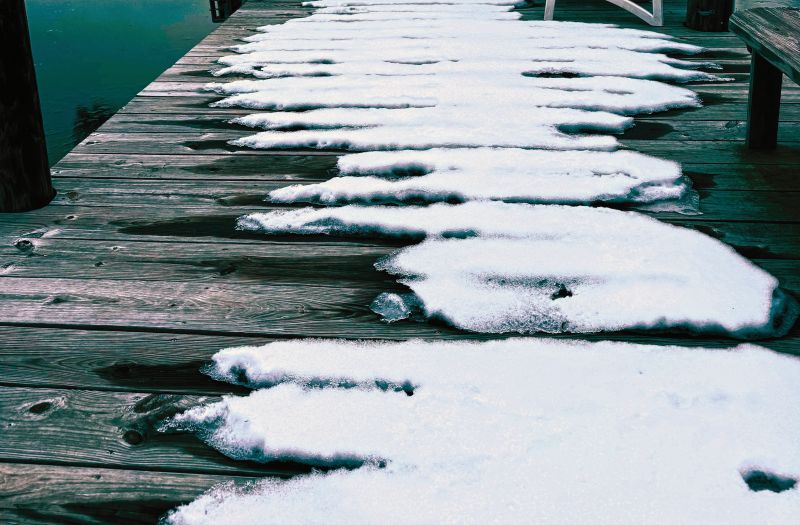
Slippery, icy, frost-covered, and snow-covered boat decks and piers can present underestimated hazards. Ice, and even frost, will reduce friction dramatically, turning routine movements into serious fall risks, while snow can conceal ice, uneven surfaces, cleats, lines, or hatches. On decks and piers alike, a single misstep can lead to injury, cold-water immersion, or damage to equipment. Avoid snow or ice covered surfaces whenever possible.
Best practices begin with preparation. Wear a lifejacket and let someone know where you're going and when you plan to be back! Wear footwear designed for cold, wet conditions, ideally with non-slip soles or removable ice cleats when appropriate. Keeping decks and dock surfaces as clear as possible is critical; snow should be removed promptly, and ice can be treated with marine-safe de-icing products that won’t harm fiberglass, wood, or the surrounding water. Sand or non-toxic grit can improve traction without environmental impact.
Movement should be deliberate and cautious. Recall the adage, one hand for yourself, one hand for the boat? When possible, maintain three points of contact—two feet and one hand. Take advantage of handrails, lifelines, and dock posts when available. Rushing increases danger, especially when carrying gear or stepping between boat and pier. Finally, good lighting is essential during these short winter days, as poor visibility compounds slippery conditions.
Those responsible for maintaining a pier or a boat in the water should be on the lookout for any prolonged period of sub-freezing weather. While skim ice isn’t too concerning, as it thickens, the pressure on pilings and hulls can create big problems. Many boaters with a pier and slip choose to install a de-icer with a thermostat and timer. The combination may set you back in the range of $1300, but the set-up will last for years and protect your boat, pier, and peace of mind. That said, you’ve still got to check on your boat! It’s not a set it and forget it kind of thing.
Awareness, patience, and preparation are a sailor’s best strategies for navigating the slippery season… and remember, spring will officially arrive on March 20!


