Can international sailing contribute to making the world a better place? Definitely, yes.
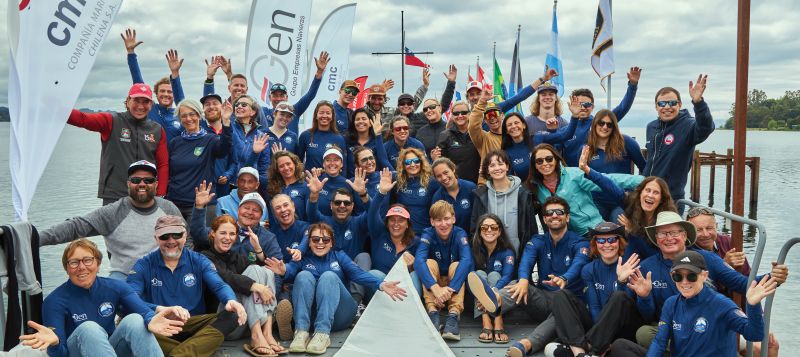
U.S. foreign policy, and the state of international relations around the world in general, are a rather stinky dumpster fire at the moment. It’s getting a little tough to keep tabs on where we last aimed military strikes. The list of countries that have barred U.S. citizens from entrance is growing. And the concept of visiting some nations as an American can range from awkward to inappropriate to highly sketchy. But just because things can be hard doesn’t mean we shouldn’t do them.
At international sailing regattas friendships form with competitors from around the world, and sailing skills are tested and improved.
Building bridges where we can, and how we can, is important. Sports serve as an international language, where people from very different cultures and perspectives can build shared memories and common ground. The Olympic values of excellence, respect, and friendship resonate with sailors who enjoy international competition (catch all the action this month in the 2026 Winter Games from Milan and Cortina d’Ampezzo, Italy!).
Whether it’s heading to a regatta abroad or competing in (or volunteering at) an international regatta hosted here in the United States, international sailing is a way to become a better sailor, open up your personal perspectives, and contribute to making the world a better, more understanding place. Doubtless, sailing at an international level raises your game. While it can seem daunting, you don’t have to qualify for a regatta, buy plane tickets to Europe, or charter a boat to get this experience.
While many classes’ world championships are “closed” and only welcome those highly talented sailors who have qualified to compete, other international championships are “open,” welcoming a much broader group of sailors. And international experiences don’t have to be “championships”—one-design classes have plenty of fun regattas most weekends all around the world.
Considering international-level sailing? Jumping across an ocean is a pretty big first step. North American championships of course are often held in the United States, and traveling to a North Americans held outside the United States can be a nice first entry to an international “away” regatta. Both options up your game and introduce you to international sailors. Top-level sailors invest heavily in international regattas, from flights to housing to charter boats. But you can be clever and frugal and still build a great experience. Have you made a friend in your class who lives abroad? Chat with them and suggest they come to your home club for a regatta, borrowing a boat and staying at your home—and you do the same at their club. (Isn’t everything more fun with a friend involved?) Your class association may know of sailors in other spots who are looking for a similar collaborative entry to international sailing.
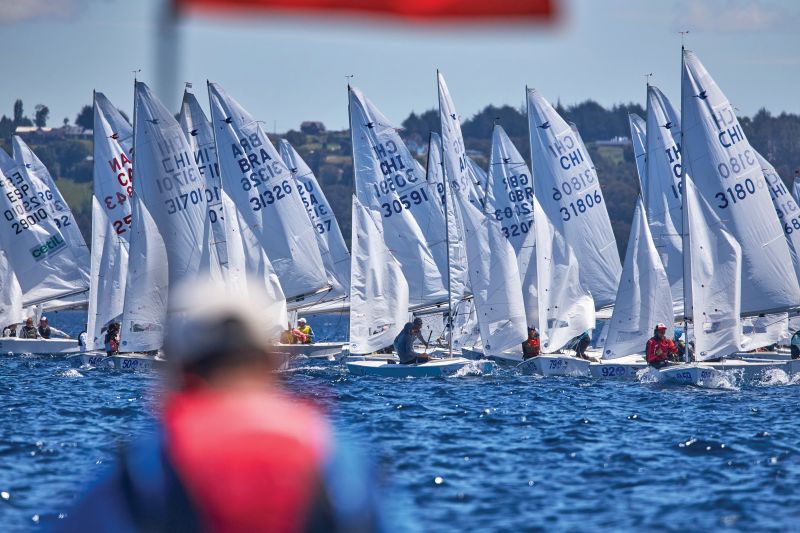
To improve your sailing, you need to test your skills and learn from sailors and places outside your comfort zone. Experiencing a regatta at an international championship not only ups the challenge level but can also expose you to different boat setups and styles of sailing. Did you know that in South America, dinghy sailors set up for their final approach to the starting line 15 minutes before the gun? Well, not really, though it can seem like that. Different starting styles demand versatility and grow your skills. At the December 2025 Snipe Masters Worlds in Chile, I hopped in the charter boat and started identifying where all the control lines ran. But… no traveler! Turns out, that was a thing, and Snipes in South America generally just don’t have travelers. South American Snipe sailors focus on different control lines instead. Is that different? Heck, yes. Is it better? Maybe, maybe not; the jury’s still out, and I look forward to more testing.
Away regattas are opportunities for personal growth, too. Learning about another culture might not be top on your regatta to-do list, but if you need to source parts to make your charter boat work a little better, your trips
to the local marine or hardware store can deliver some solid experiences you hadn’t anticipated. Going to an away regatta immerses you in daily life in a new location, so you gain an appreciation for what it’s like to wake up and go through your day almost as a local. (One of my favorites: grocery shopping!) Increasing appreciation of different cultures is one of the best ways to better understand our complex world. Whether traveling to a regatta or hosting international competitors to your home club, sailing events with friends from around the world are an avenue for citizen diplomacy. Every laugh shared and memory made with friends who might speak with a different accent contributes to a more understanding world. Don't we all need that?
by Kim Couranz
About the Author: Kim Couranz has earned several national and world titles in Laser Radials (ILCA 6), Snipes, and Lightnings. She has also raced J/22s, J/24s, and Ynglings on an international level.


