On his Sailfast Podcast, Pete Boland recently interviewed leading performance coach Brian Swingly about what separates champions from the fleet.
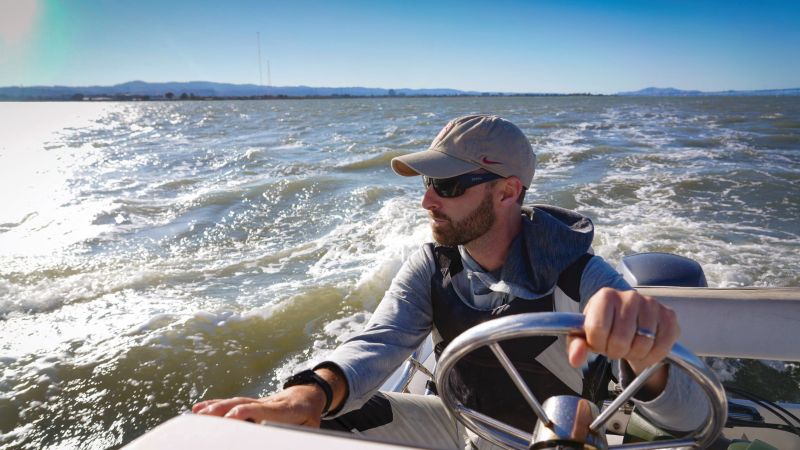
Mindset—not mechanics
Sailfaster: Brian, you grew up sailing without formal coaching. How did that shape your approach to performance?
Swingly: I learned early that improvement comes from deliberate repetition and personal curiosity. I didn’t know the “right” way to train, so I made up drills—100 tacks, 100 gybes, surfing every possible wave coming out of the marina. That self-directed practice taught me to observe patterns, figure out what worked, and build confidence without external validation. Looking back, that naïve curiosity is what set the foundation for how I coach now: the idea that most of the wisdom sailors need is already within them
You work with top sailors: Olympians and pros. At that level, what separates the top performers?
Swingly: The mental game for sure. By the time you’re competing at the highest level, everyone can trim, start, and execute a game plan. But sailors who can recover quickly from pressure, stay clear-headed after a mistake, and make consistent decisions across an entire regatta; that’s the true separator. I spend a lot of time helping sailors become aware of their “saboteurs”—the internal judge, the hyper-achiever, the restless mind—and shift into what we call the “sage” mindset of creativity, clarity, and resilience. If you can quiet the negative noise, you access better performance.
How much do poor communications within a team impact performance?
Swingly: It’s huge. Yelling, frustration, or poorly delivered feedback instantly trigger the saboteurs in everyone else on the boat. Suddenly, you don’t just have one sailor stressed; you have a full “saboteur fest,” as I call it, where everyone is distracted or defensive. High-performing teams build communication norms long before leaving the dock: how they give feedback, how they acknowledge mistakes, even how they reset their energy when tension rises. The goal is to create a culture where people stay in their lane, stay present, and support each other’s focus.
How can sailors mentally recover from a bad start or major mistake during a race?
Swingly: First, normalize mistakes. Say it out loud in the morning: “We will make mistakes today.: When they happen, don’t debrief them in real time. Immediately shift to: “What’s important now?” One useful analogy is imagining your boat being dropped from a helicopter into the middle of the course. You don’t know how you got there, and it doesn’t matter—you just start racing from that exact moment. Great teams rehearse this skill. Individuals can practice it too. Observe the negative self-talk, interrupt it, and re-center attention on the next actionable decision.
What simple mental exercises can any sailor start using this weekend?
Swingly: Practice presence. Spend the first five minutes of your morning without your phone, taste your coffee, look outside, breathe. Training presence in calm moments is what makes presence possible in stressful ones. Then, set intentions. Before a start or team meeting, take 20 to 30 seconds to ask, “How do I want to show up? What does my team need from me today?” Don’t forget the “MEDS-Rx” check-in: Mindfulness, Exercise, Diet, Sleep, Relationships, and your personal X-factor (whatever activity restores you). These are the real foundations of performance, not just for sailing but for life!
To hear the full episode head over to Sailfaster Podcast, available on Apple Podcasts, YouTube, Spotify, and wherever you get your favorite podcasts. Want to learn more from Brian Swingly?
He’s available on LinkedIn and will launch small-group “mental performance pods” for sailors and coaches. His core work is one-on-one coaching, helping individuals identify their personal saboteurs, build new mental habits, and develop sustainable high-performance systems.


