Tips for Racing Sailors for a Head Start to Spring Season
SpinSheet’s new Racer’s Edge columnist, Scott Nixon of Quantum Sails, gives top tips for readying yourself and boat for racing:
It’s been a brutal winter on the Chesapeake, but spring is finally starting to show itself. For racing sailors, visions of crossing the finish line first—just ahead of a pursuing pack—are returning. Spring is the most important training window of the year. Teams that use this period deliberately to sharpen fundamentals enter the season faster, more coordinated, and tactically sharper than crews still figuring things out on race day.
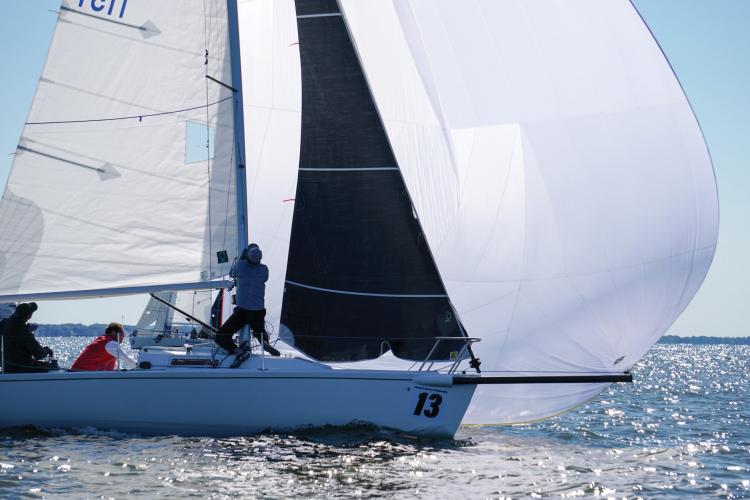
A focused program should combine equipment prep, structured on-the-water drills, and repeatable performance benchmarks.
1. Start With the Boat and Sail Program
Before hitting the water, make sure your platform is race-ready. Many early-season performance problems stem from overlooked basics. Priority checks:
- Bottom and foils clean and fair.
- Sail inventory inspected and updated for both training and racing.
- Rig tune aligned with sailmaker settings.
- Electronics updated, working, and calibrated.
- Standing rigging inspected and safe.
- Running rigging marked for repeatable settings.
- Unnecessary gear removed for minimum weight.
2. Fine-Tune Communication Habits
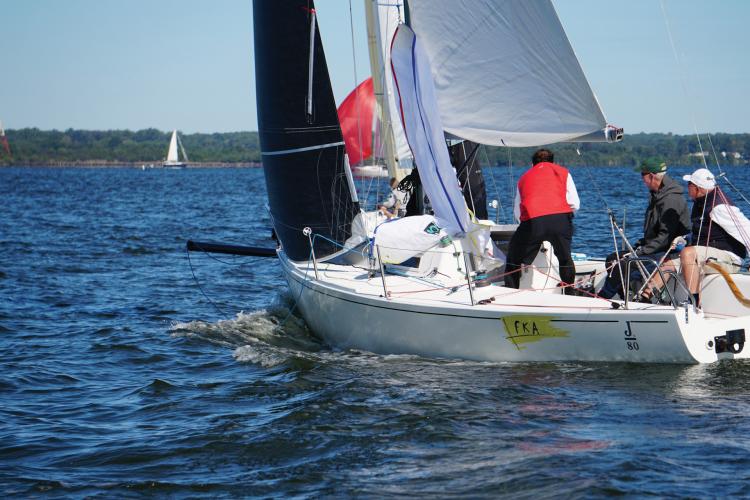
Most on-the-water issues stem from poor communication, no communication, or bad timing. By season’s end, good teams operate seamlessly, but that only happens if expectations are defined early:
- Everyone knows their role and responsibilities.
- Nonessential chatter waits until after racing.
- Clear calls for time-and-distance at starts.
- Assigned voices for puffs, lulls, and waves.
- One person tracking performance targets (speed, heel, angles).
- Crew weight coordinated fore/aft and side-to-side.
- Constant updates on relative performance vs. nearby boats.
- The best teams speak less, move efficiently, and execute without hesitation.
3. Essential Spring Drills
Acceleration Drill
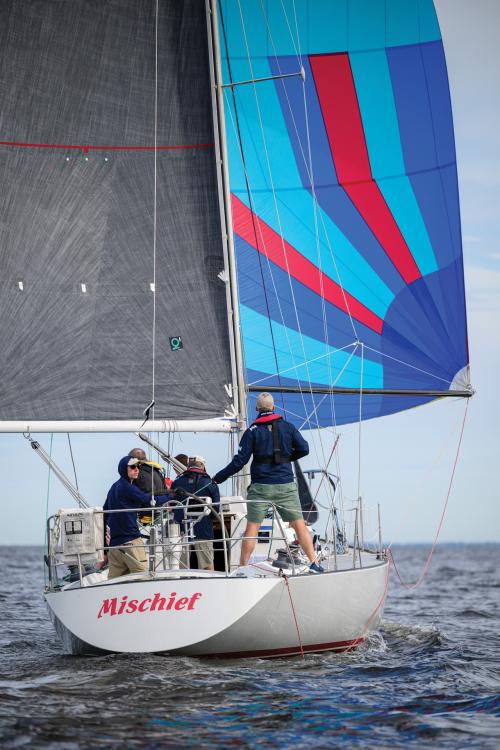
Slow the boat to two to three knots, and accelerate to full speed. Time the interval. This forces the entire crew into the speed loop and builds muscle memory for trim, steering, and weight movement. Once at speed, stop the boat as quickly as possible using the rudder, backed sails, and coordinated trim. This drill develops boat control and improves pre-start responsiveness.
Hot Laps
Set a short windward-leeward course just long enough for four tacks and several gybes. This creates a high-tempo environment with mark roundings, sets, takedowns, and transitions happening quickly. Continue until maneuvers become crisp. The goal is consistent execution and polishing the small details that gain boat lengths. Teams that run hot laps regularly see dramatically fewer handling mistakes on race day.
Practice Starts
Starts are one of the most important parts of a race, yet many crews spend the least time training them. Those that invest here gain clear lanes and control early.
Set a line using marks or fixed objects. Run repeated timed sequences, and aim to cross at full speed, on target angle, within a few seconds of the gun. Rotate approaches from the pin, middle, and boat ends. If you use start software, these reps accelerate learning and team familiarity. Over time, crews develop an instinct for time-distance judgment and burn rate.
Top championship teams often run one or two practice starts before every race. This sharpens awareness of daily variables such as current, waves, wind strength, and line bias.
Final Thoughts
Spring training isn’t about knocking rust off—it’s about building performance systems. Crews that approach these early sessions with structure and intent will launch into the season sharp, confident, and fast while others are still warming up. If you want to be ahead at the first weather mark this spring, preparation doesn’t start on race day. It starts the first day your boat hits the water.
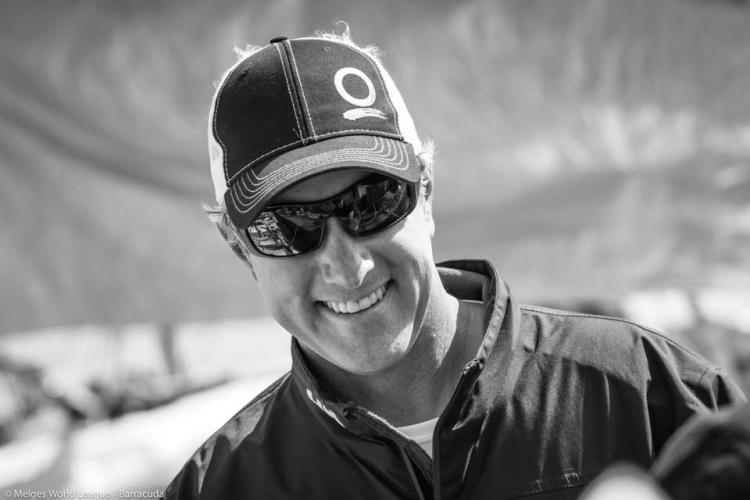 About the Author: Southern Bay native Scott Nixon was an All-American sailor at St. Mary’s College of Maryland and later coached at the College of Charleston. He has a wide range of racing experiences in dinghies, one-design keelboats, and inshore and offshore boats. Scott joined Quantum in 2000 and has competed with customers to win championships at the world, Gold Cup, European, North American, and national levels. He is currently Quantum’s one-design director, based in the Eastport loft. Expect more of his racing tips in future issues of SpinSheet. Send questions to [email protected].


