How Junior Sailors Raise the Bar for All Racers
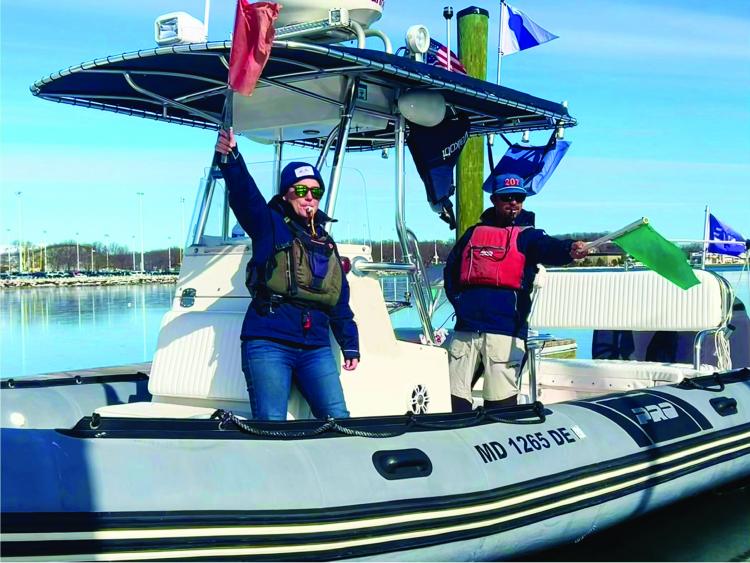
On a recent episode of the Sailfaster Podcast, host Pete Boland spoke with Madde Vachon and Travis Carlisle of Severn Sailing Association (SSA) about what junior sailors bring to the racecourse, why adult racing sailors underestimate them, and how strong coaching creates sailors for life. Here’s an extract:
Sailfaster: What do adult sailors misunderstand most about junior sailing?
Travis Carlisle: People don’t realize how much time these kids spend on the water. By the time adults get to the club after work, our sailors may already have been training for eight hours. They’re practicing starts, boat handling, drills, tuning, and racing almost every day.
Madde Vachon: Junior sailing isn’t just summer camp anymore. A lot of these kids are traveling year-round to regattas, training camps, and clinics. They’re putting in an incredible number of reps.
What makes junior sailors so effective when they transition into adult fleets?
Carlisle: Starts. It’s absolutely starts! Junior sailors may do thousands of starts a year. They’re constantly practicing acceleration, time and distance, line bias, and current. When they show up in an adult fleet, their pre-start routine is usually far more dialed in.
Vachon: Boat handling, too. Dinghy sailing teaches that every movement matters. When juniors move into keelboats, they often bring smoother maneuvers and better feel for the boat.
Do juniors really make fleets more competitive?
Vachon: Definitely. When strong junior sailors join a fleet, everybody gets sharper. Starts get tighter. People pay more attention to tuning and technique. It pushes experienced sailors to learn new tricks.
Carlisle: You’ll see adult sailors realize they can’t just rely on experience anymore. The juniors bring intensity and repetition that can really elevate the racing.
What lessons can adult racing sailors learn from junior programs?
Carlisle: Practice with intention. Junior sailors don’t just show up and race. They do drills constantly. One of the easiest things adults can do is practice acceleration and time-and-distance work before races.
Vachon: Adults can also learn from how juniors approach learning itself. They’re constantly tweaking settings, asking questions, and trying things.
What threatens the junior sailing pipeline?
Carlisle: Burnout is a huge issue. If every practice is pressure and results with no fun, kids leave the sport. Sailing is hard already. Coaches need to build passion and enjoyment alongside performance.
Vachon: Coaching quality matters enormously. Most people can remember a coach who pushed them away from a sport. Good coaches create sailors for life.
You both talked about “Corinthian spirit.” Why is that important?
Carlisle: Winning isn’t everything if you lose respect in the process. We really emphasize sportsmanship and respect at SSA. The best sailors should also be the best competitors and teammates.
What gives you optimism about the future of sailing?
Vachon: We’re seeing more pathways than ever before—29ers, ILCAs, foiling, keelboats. Kids have options now, and clubs are starting to support those transitions.
Carlisle: I’m optimistic because these sailors are fearless. They’ll go out in conditions that many adults avoid, and they love the challenge. That enthusiasm is infectious.
What can yacht clubs and adult sailors do to help?
Vachon: Include junior sailors. Invite them onto boats. Give them opportunities.
Carlisle: Exactly. If we want healthy fleets 10 years from now, we have to make young sailors feel welcome today.
Vachon: The top of the pyramid isn’t just the Olympics. It’s Wednesday night racing for life.
Listen to the full podcast wherever you get your podcasts or on YouTube.
** Since this article appeared in SpinSheet in June 2026, Travis has moved onto a new coaching position. We wish him the best of luck!


