On a recent episode of the Sailfaster Podcast, Bert and Maryline Bossar shared with Pete Boland what it takes to keep a J/42 and its crew ready for anything the Atlantic throws at them.
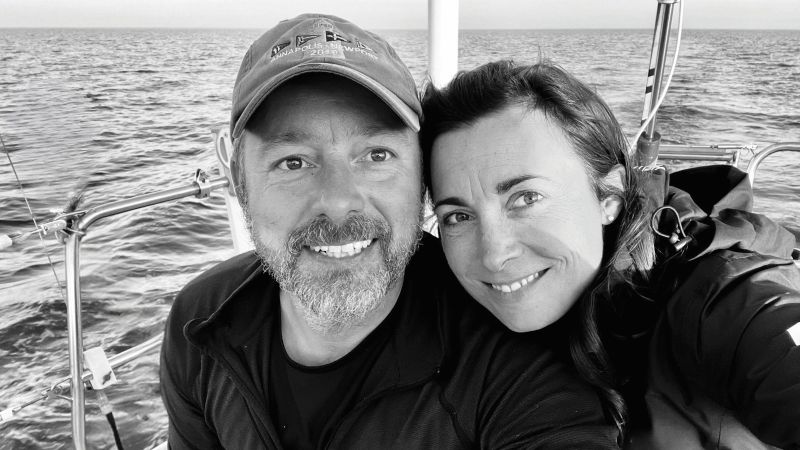
Sailfaster: You’ve had quite a season with both the Annapolis-Newport and Marblehead-Halifax Races. How did those go?
Maryline: It was an incredible season. I skippered our women’s crew for the Annapolis–Newport Race, while Bert skippered Allegiant for Halifax.
Bert: Halifax was perfect—18 to 25 knots dead downwind for two days under spinnaker. We thought it was going to be the dream race all the way to the finish, and half a mile out the wind died completely. We ghosted toward the line, watching other boats closing in, and somehow squeaked across in third… It was a bit of redemption. The last Halifax we had to retire after being becalmed, so to come back and have those conditions and finish on the podium felt great.
Maryline: Annapolis–Newport, on the other hand, was light and shifty. We even had to anchor at the mouth of the Bay to keep from drifting backward while waiting for wind. It was excruciating!
What keeps you coming back to ocean racing?
Bert: The endurance and the challenge. It’s not just about speed; it’s about competence. Ocean racing forces you to master seamanship and decision-making in tough conditions.
Maryline: And there’s nothing like the isolation out there. You’re cut off from everything except your boat, the crew, and the sea. It’s humbling. Everyone relies on each other completely. After so many years together, our crew knows the boat and knows each other inside out. That kind of trust makes the experience even richer.
For sailors thinking about their first offshore race, what lessons have you learned about preparation?
Bert: Preparation is everything, and it never really ends. The key is to think in cycles, not checklists. We’re always planning one or two seasons ahead, because by the time you finish one race, you already know what needs attention for the next. Start early, stay organized, and be realistic about time. Everything takes longer than you expect.
Maryline: We’ve learned to treat winter as the start of the next season, not the end of the last. In February, our crew’s sanding and repainting the bottom, reviewing safety gear, checking the rig—it’s all part of a rhythm now.
Bert: Don’t underestimate the mental prep. You start thinking about weather systems and scenarios months ahead. It’s not worry; it’s rehearsal.
Offshore sailing takes a lot of endurance—how do you train for it?
Maryline: Strength and stamina. I do strength training and Peloton rides to build endurance because you never stop moving out there.
Bert: I still run marathons, but now I train in the middle of the day to get used to the heat. Offshore racing is 24/7, often in brutal conditions, so you need that resilience.
Maryline: The mental side is just as tough. You can go hours without seeing another boat and start doubting every decision. You have to cut yourself some slack—everyone’s fighting the same fatigue and conditions.
What’s next for you and Allegiant?
Maryline: I’d love to take our team—maybe with more of our women crew—to Bermuda in 2026. That’s on the bucket list.
Bert: I’m race chair for the 2026 Mustang Survival Annapolis–Bermuda Ocean Race. We’re focused on making it inclusive and accessible, with safety seminars and mentorship to encourage new crews to go offshore.
Hear the full episode on Sailfaster podcast wherever you get your favorite podcasts and on YouTube. Follow Allegiant at allegiantsailing.com or on social media. Learn more about the 2026 Annapolis–Bermuda Race at bermudaoceanrace.com.


