What Can a Bad Day on the Racecourse Teach You?
Doing well in regattas—however you define that for yourself—is great. Whether it’s the top spot on the podium or climbing up in the finishes as you grow your racing skills, feeling good about how you sailed is quite enjoyable.
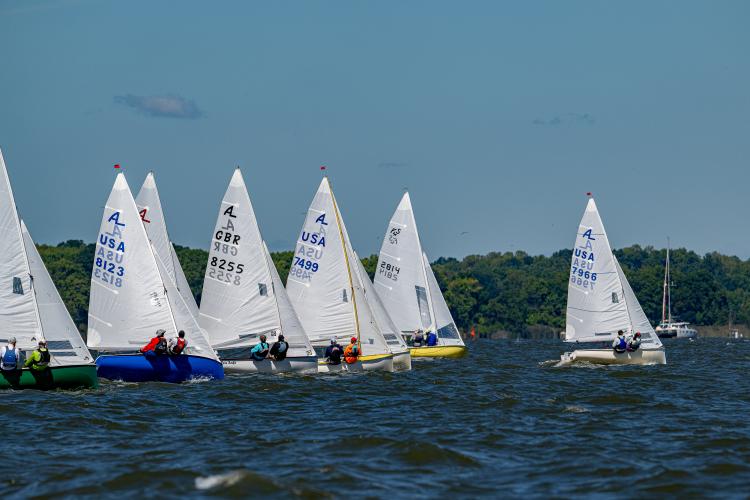
But sometimes it just doesn’t go your way. Maybe you showed up prepared, ready, and eager. Your boat, sails, and equipment were in good shape, and you had talked throuagh overall goals and maneuvers with your crew. Maybe you even had a pretty good first race. But somewhere, things went off the rails. You missed a big wind shift, screwed up a critical tack (or three), lost a lane upwind and had to tack over the “wrong” side of the course, got buried at the start, or just had a case of the “slows.” Sometimes, it just feels like nothing goes your way for no apparent reason.
We all have bad regattas. But as painful as they can be, ugly days on the racecourse can teach us more than the days when everything goes right. If you resist the temptation to find excuses and instead focus on reasons, you can identify ways to grow your skills and preparation.
One of the most useful things a disappointing regatta can reveal is suboptimal boat speed: how you and your boat perform relative to the competition. Ask yourself some tough questions, and answer them honestly. Did you have more problems upwind or downwind? Maybe you were consistently slower upwind. Were you sailing too low? Too high? Was the sail trim wrong? Did you have the rig set up correctly for the conditions? When another boat sails away from you, it can be super tempting to blame the boat. (“I really should have polished my hull.”) Sometimes that is justified, and putting some boat work time in is needed.
But if you have been competitive recently (to your standards, not necessarily winning every event!), and this regatta was an anomaly, there is something to investigate. Compare notes with sailors who were faster. What were they doing differently? If you can identify a repeatable speed problem, you’ve turned a bad finish into a tuning project.
Bad boat handling can wreck a weekend, too. One bad tack isn’t usually a disaster. But add a few more, and soon you’ve lost multiple boat lengths. Did your regatta include sloppy tacks, awkward gybes, poor mark roundings, bad spinnaker sets or takedowns, or slow starts? Your answers may illuminate what you can work on for an afternoon practicing the same maneuver until it becomes automatic.
Suboptimal results can also reveal tactical mistakes that are difficult to see when everything is going well. Did you spend too much time reacting to the boats around you instead of sailing your own race? Did you tack away from clear air without a really good reason? Did you cover the wrong side late in the race?
Going into a race with an initial game plan is important, but so is evaluating whether that game plan worked and why it did or didn’t work. In the long run, a poor tactical or strategic choice isn’t a failure if you understand why it happened. Next time, you’ll have another option.
A bad regatta can also expose weaknesses in your ability to read the weather and conditions. This can be especially challenging in new-to-you regatta venues, but learning from your experiences and filing away “what happened when” situations can build your playbook for the next time you sail there. It’s often the “jeepers, I wish I had seen that puff” moments that stick in our brains best to help us learn lessons to apply the next time.
Now, the toughest questions are often about what’s going on in your head and with your mental state. It’s hard to stay positive and productive when things aren’t going well, but sailing demands keeping calm and making fact-based decisions rather than acting out of emotion. Did you get frustrated after one mistake and carry that emotion into the next leg? Did you become overly conservative after a bad start? Did you stop making decisions because you were afraid of making another mistake?
Know that a good sailor isn’t someone who never makes mistakes; that person doesn’t exist! A good sailor recognizes them quickly, resets, and keeps racing. That may be the most important lesson a bad regatta can teach.
When the boat is back on the trailer and the disappointment has faded, resist the temptation to simply move on. Write down three things that went wrong and, more importantly, three things you can do differently next time. Sometimes a bad day on the racecourse is really a very good day in the lifelong education of a sailor.
About the Author: Kim Couranz has earned several national and world titles in Laser Radials (ILCA 6), Snipes, and Lightnings. She has also raced J/22s, J/24s, and Ynglings on an international level.


