Summer Sailing When It's Hot: Have Fun and Stay Cool.
The dog days of summer arrived early this year. If you've been sailing through the sweltering heat, more power to you! We've got eight tips to help you keep you, your boat, and your crew cool, making your sailing experience more enjoyable for everyone.
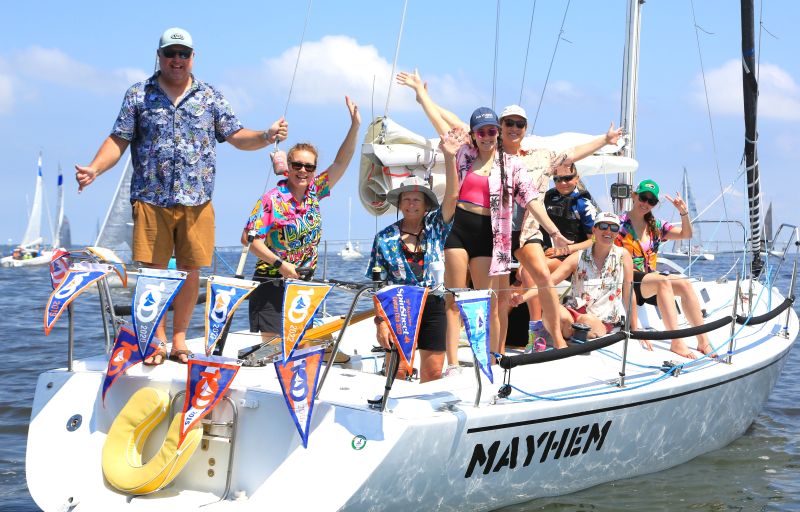
Sail on, but stay safe: eight tips.
- Create shade. Direct sunlight can make the air feel 10 to 15 degrees warmer. Reduce the time you spend in it. Invest in a bimini or canvas tarp or create a makeshift bimini. If you’re feeling really thrifty, an old sail can do the job.
- Prevent sunburn. Wear a wide-brimmed hat and choose loose fitting and moisture-wicking clothing. A UPF-rated long sleeve shirt is worth the modest investment. A neck gaiter can protect the neck and be pulled over the ears. Use sunscreen and reapply it more often than you think you need.
- Bring plenty of water. Staying hydrated is a key aspect of staying cool. Make sure you carry enough water for your whole crew and add some extra too. Pro tip: keep a supply of bottled water in a locker or dry bilge area next to the hull, below the waterline. The water will stay cooler than the air temperature, and it makes it easy to share or restock.
- Provision refreshing snacks. Fruits such as grapes, clementines, and watermelon combat the exhaustion that comes with a long day on the water. Not only will they provide a boost of energy, but they are also full of water to help keep you hydrated.
- Monitor your activity level. Plan for breaks from strenuous activity when possible. This may mean cruising in the morning or evening and relaxing or swimming during the middle of the day. Find a safe, out-the-way anchorage, drop the hook, and enjoy!
- Have a way to communicate. Summer is not the time of year to be stuck out on the water without a way to call for help. On the Chesapeake, not only are the heat and humidity at issue, sudden and powerful storms often pop up in the afternoon. Ensure your VHF is operational, and bring your cellphone, keeping it dry and charged.
- Create wind flow belowdecks. Cabins are notorious for becoming stifling hot. A combination of an open foredeck hatch with an open companionway will help a breeze flow through most efficiently. A Windscoop can help guide the breeze into your hatches.
- Cook on deck. Grill out over the transom or, if you have a removable stove, bring it on deck. Better yet, serve no-cook meals.
Know the signs of heat exhaustion and heat stroke.
Signs of heat exhaustion include heavy sweating; cool, pale, or wet skin; dizziness or fainting; nausea or throwing up; headache; and a fast and weak pulse. If someone shows signs of heat exhaustion, they should be moved to a cool, shaded place or an air-conditioned room, sip cool water or a sports drink, and take off extra clothing. Place a cool, wet cloths on the wrists, neck, armpits, and groin. Offer fluids or fruit. Of even more concern is heatstroke, a medical emergency that occurs when the body is unable to cool down and the body temperature increases significantly (generally above 104 degrees Fahrenheit). Symptoms may include confusion or combativeness, strong rapid pulse, lack of sweating, dry flushed skin, faintness, vomiting, or staggering. Seek immediate emergency medical attention by calling 911 or hailing the Coast Guard. Move the victim to a cooler environment and apply cold towels or ice packs.
With planning and common sense, you can stay relatively cool and safely sail all summer long.


