Teaching New Sailing Crew Communication Is Key for Safety
Whether you own a boat or occasionally charter, at some point you may need to instruct new crew for day sailing or near-shore passages. How and what you communicate are key to ensuring a safe journey, even if your guests don’t desire an active role in handling the boat.
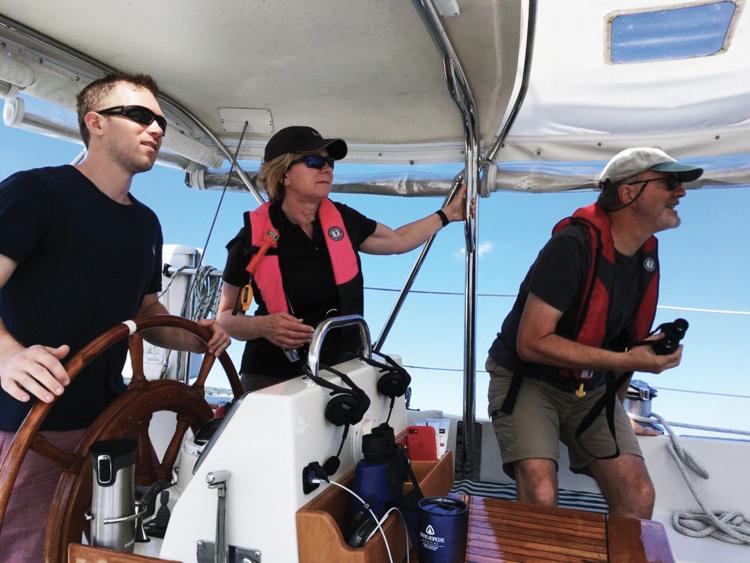
Since communication is a shared responsibility between skipper and crew, this article provides recommendations for both roles. Not all suggestions will be relevant, depending on the type of boat, trip duration, or level of crew participation.
Skipper’s Responsibilities
Every time
There are a few tasks and communications that should be performed by skippers every time they sail with new crew, or if it’s been a while since their crew were onboard:
- Know the vessel. If it’s not your own vessel or a boat you sail often, be sure to reserve time to thoroughly review the boat before the crew arrive. You are responsible for the safety of your guests, and it’s your job to confirm safety equipment, thru-hulls, instrumentation, boat documentation, capacity, fuel, etc.
- Know your crew. Know who is expected and their prior boating experience. Don’t assume, especially if you haven’t sailed with them before. If kids under 13 will join you, per USGC regulations, they must wear properly sized lifejackets when underway.
- Begin with boating safety: Welcome guests by demonstrating how to board a boat safely, including how to pass items from shore. After all are aboard, share information about the boat and intended journey. This orientation should include a safety briefing, locating safety equipment including fire extinguishers, medical kit, horn, and lifejackets.
- Focus on sailboat safety: Describe that sailboats may “tilt” and that body weights may need to shift on lighter boats. Point out potential injury risks unique to sailboats, such as booms, loaded lines, and winches. Demonstrate safe operation and the need for clear communications so that all crew are aware of intentions. It’s helpful to demonstrate handhold locations above and below decks, with the adage “one hand for the boat.”
- Ask about expectations: Ask the crew what level of participation they desire. Some may simply want to sit back and enjoy, while others may be excited to learn and assist where possible. Knowing their expectations ahead of time will inform how much you communicate.
- Avoid the firehose. If the crew are relatively new to sailing, avoid teaching too much at once. Explain the basics of what they may need to know, appropriate to the length of your journey. A sunset cruise won’t require as much instruction as a seven-day charter. If the voyage is longer, break instruction into shorter segments to allow absorption.
- Post vital info. Consider posting vital information at the helm and navigation station, starting with the name of your vessel and how to call for help on channel 16. On the Chesapeake, it’s also helpful to list the boat’s draft and air draft (for bridges and overhead cables) and show guests how to read instruments and charts.
- Use checklists. Have a checklist for new crew and review that tasks have been done correctly, especially if distractions have occurred. We’ve heard stories of dinghies drifting away because cleat hitches weren’t tied correctly in the excitement of greeting friends.
- Adjust language. Depending on the length of time underway (days vs. an afternoon), consider asking the crew to learn basic terminology, but adjust your language to fit your crew’s experience. While they may be able to remember starboard and port, it’s helpful to use plain language. For example, I often number our vessel’s four cleats on each side, from bow to stern. It’s easier to understand “remove #1 first, then #4, and step on the boat before untying #3.”
- Confirm understanding. Confirm your crew’s understanding without patronizing, asking them to repeat back in their own words. And remember to acknowledge the crew when they demonstrate safety, especially as a team.
Multiple outings or days
If you will sail with new crew for multiple outings or over several days, you can teach along the way, focusing on important tasks as they arise:
- Allow adequate time: Avoid rushing, especially with new crew. Plan for tasks to take longer, especially when leaving or approaching a dock, or when tacking or gybing underway. You may think it only takes five seconds to hang a fender, but your crew may need more time to tie the appropriate knot, even if you just showed them an hour ago.
- Conduct drills: Practice safety drills while underway in calm conditions. Minimally, you can verbally discuss what-if scenarios. Ideally, you can conduct MOB drills with a floatable cushion or by picking up trash. Use your frequent weather checks to prompt these discussions, such as, “What would we do if a squall suddenly developed?”
- Practice knots: Review frequently used knots and take turns tying them. Minimally, the crew should know how to tie cleat and clove hitches, bowline, and stopper knots.
- Assign consistency: Consider assigning consistent tasks to develop competence. When I chartered a canal boat last year, I appointed one crew member in charge of connecting electricity and water as soon as we docked. Two other crew were responsible for handling the lines while docking, launching, and going through locks. After crew members were comfortable in their roles and practicing sound seamanship, we cross-trained to increase overall safety and shared knowledge.
Crew’s Responsibilities
Communication is two-way, so crew have responsibilities, too. Whether you are an active crew or a laid-back guest, consider these communication tips to keep everyone safe:
- Come prepared. Ask what you need to bring and what’s expected of you. Minimally, wear proper clothing (layers, non-marking and non-skid footwear, hat, sunglasses), apply sunscreen, and bring water. If you have a tendency for seasickness, take necessary precautions. And never bring hard luggage to a boat.
- Be honest: Be honest about your preferences for participation and your boating experience. Don’t play the expert if you aren’t one. That can be very dangerous, especially at sea.
- Check the checklist: Follow the checklist and apply common sense. If sharing tasks, confirm that others have done their assignments. I’ve been on boats where the crew have forgotten to close hatches, close ports, raise swim platforms, store loose items, unlock the wheel, and more. Some of these are minor, but any can be dangerous depending on the situation.
- Speak up. If you see something, say something. Even experienced captains can misjudge the height of a bridge or not see a boat crossing ahead. As Molly Winans wrote last month in her editor’s note, safety is increased when everyone feels free to speak up (spinsheet.com/risk-tolerance).
- Bring a tough skin. Respect the captain and obey what she/he commands. Captains may sometimes bark orders. It’s not personal. It’s for everyone’s safety. Ask for clarification following the urgency, not in the middle of it.
Whether you enjoyed a two-hour sail or a two-week charter, it’s helpful to end each day with a quick debrief for both skipper and crew. Encourage honest feedback with the expressed intent of improving communication to ensure safety for future outings. Then, toast to another safe day on the water!
About the author: Captain Cheryl Duvall is President of the Chesapeake Area Professional Captains Association (CAPCA). You may see her at the helm of her Gozzard 44 Belle Bateau or on Watermark’s Miss Anne in the Annapolis Harbor. Email her at [email protected].
Find more sailing safety articles.


