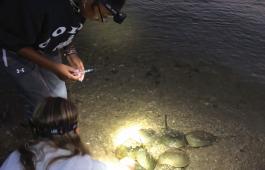
Sailors' help is needed in the Chesapeake Bay, where they can help track where horseshoe crabs gather.
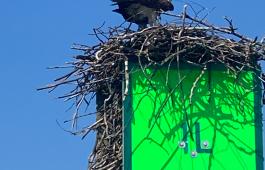
Reasons why the Chesapeake Bay's osprey population faces challenges and what you can do to help scientists track it.
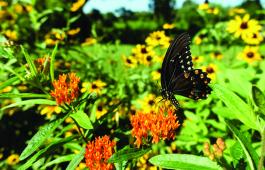
Ways that homeowners can control runoff by planting a Bay-loving yard with native trees, shrubs, and perennials. ~By Pamela Tenner Kellett
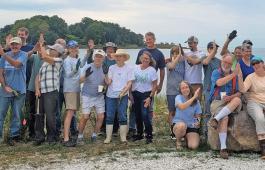
Nonprofits can help waterfront communities adapt to increasing storm surges, protect their infrastructure, and revitalize long-lost shoreline habitat.
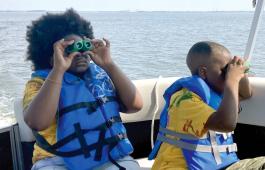
Baltimore students collaborated with The Osprey Project 2025, a summer experience that empowers student scientists to share the osprey story and the importance of protecting all the...
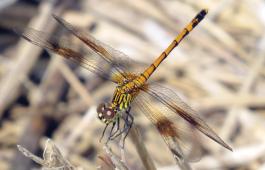
This is the time of year when dragonflies and damselflies of the Chesapeake’s rivers, wetlands, ponds, and marshes will lay their last set of eggs and conclude their life cycle.
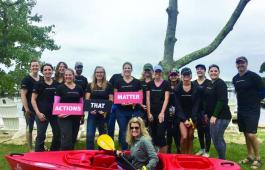
Tips for boaters and water-lovers about the benefits of volunteerism and how to find the right volunteer gig for you and get started.
What effect plastic microfibers may have on marine life in the Chesapeake Bay is a question now in the hands of the lab scientists at UMCES.
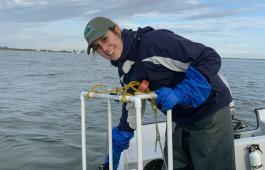
Rise in two oyster parasites is not preventing high oyster densities and is not dangerous to humans. Both parasites only infect oyster shells, not the oyster tissue that people...